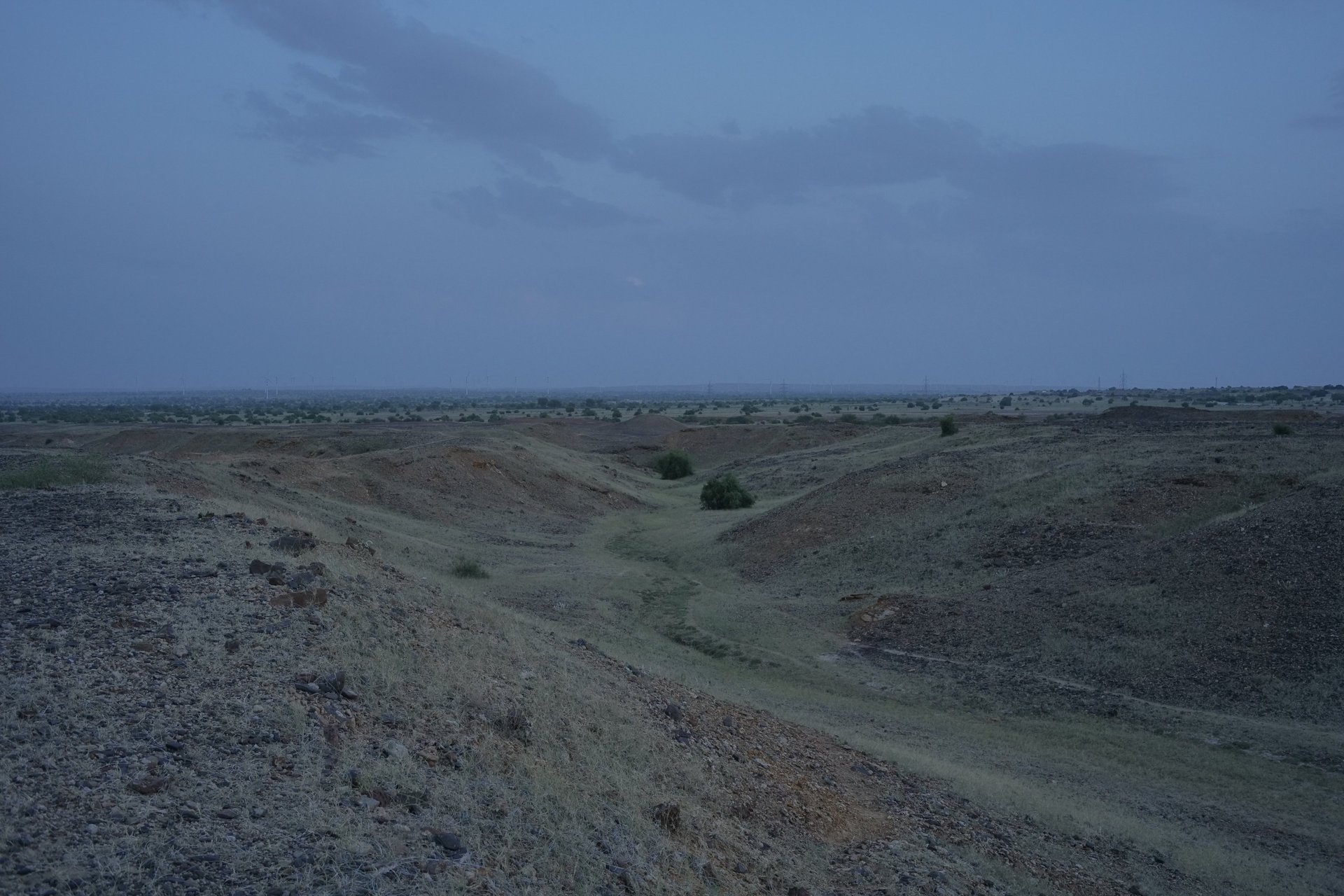
Original Title - धोरां आळा देस जाग
English Title - This is not a wasteland
Directed by - Sachin
Research - Nisha Paliwal
Country - India
Language - Rajasthani
Development and early production stage
Project Description
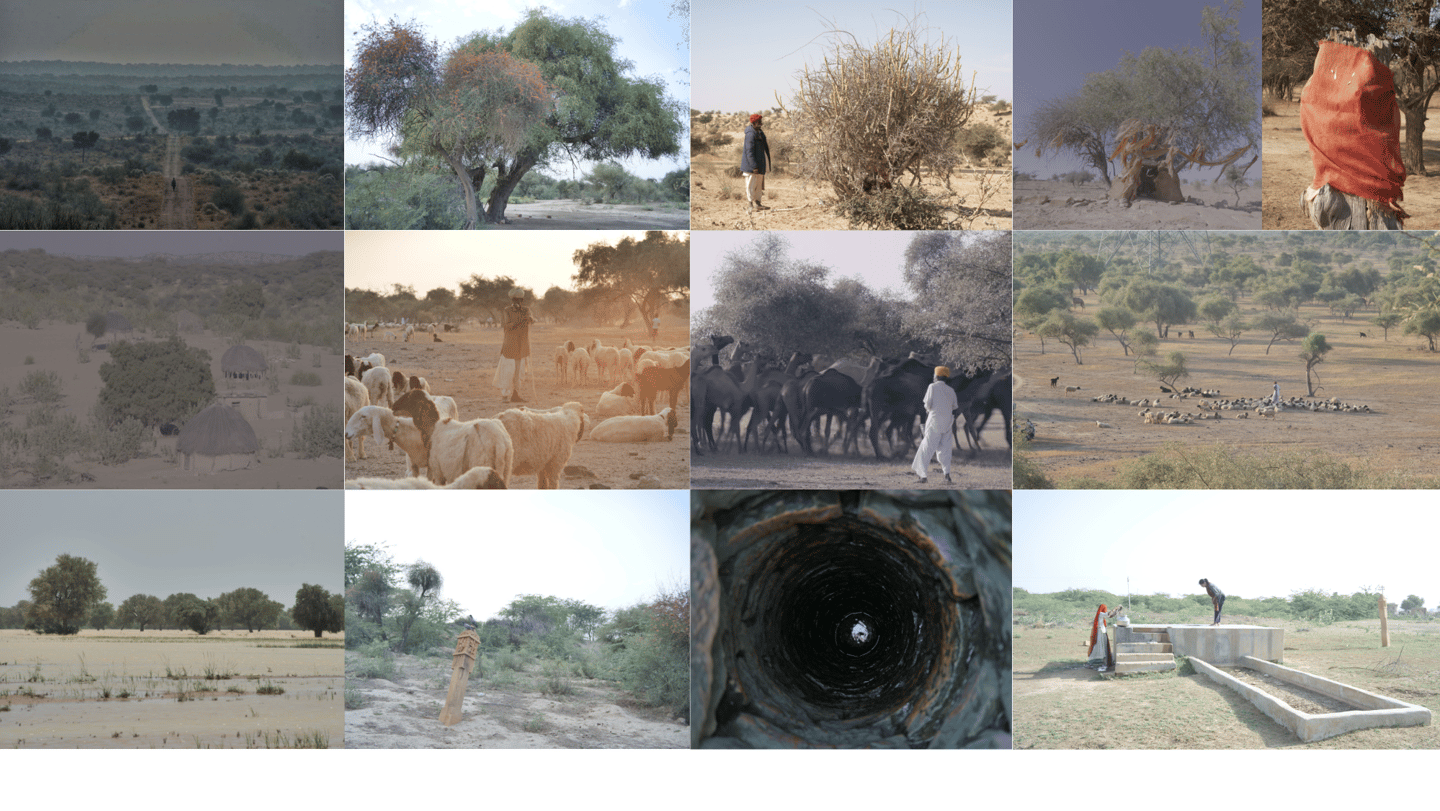
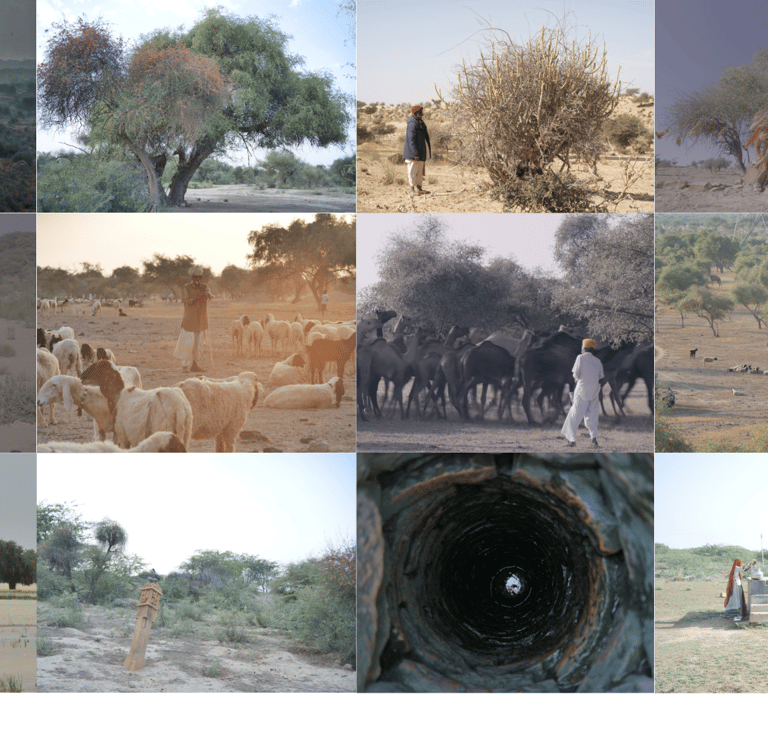
This is not a Wasteland questions the appropriation of land in Rajasthan’s Thar Desert, where large-scale green energy infrastructures encroach upon sacred land known as Orans. The Orans, or the sacred groves are micro biodiversity reserves that operate using a traditional system of adaptive resource management governed by specific rules regulating the use of resources within the sacred boundary. These large areas of common lands play a significant role in supporting livelihood by promoting a livestock-based economy in the predominantly pastoralist region. A symbiotic relationship exists between the biodiversity of the Orans and the community as they preserve medicinal, endemic, endangered and threatened plant species as well as benefit the community through the water bodies.
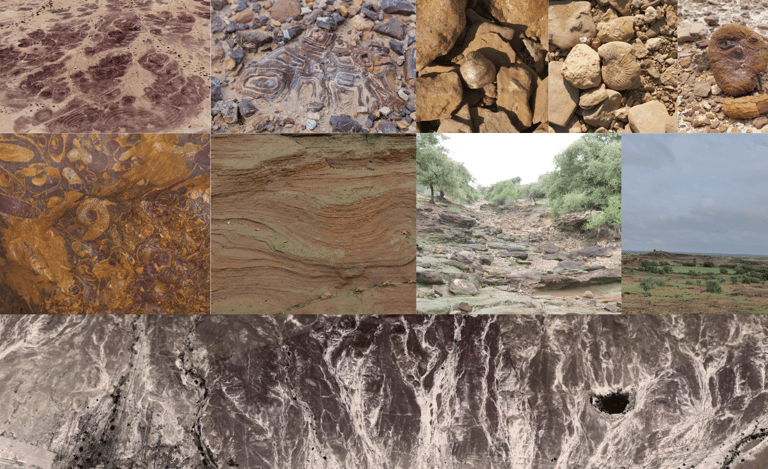
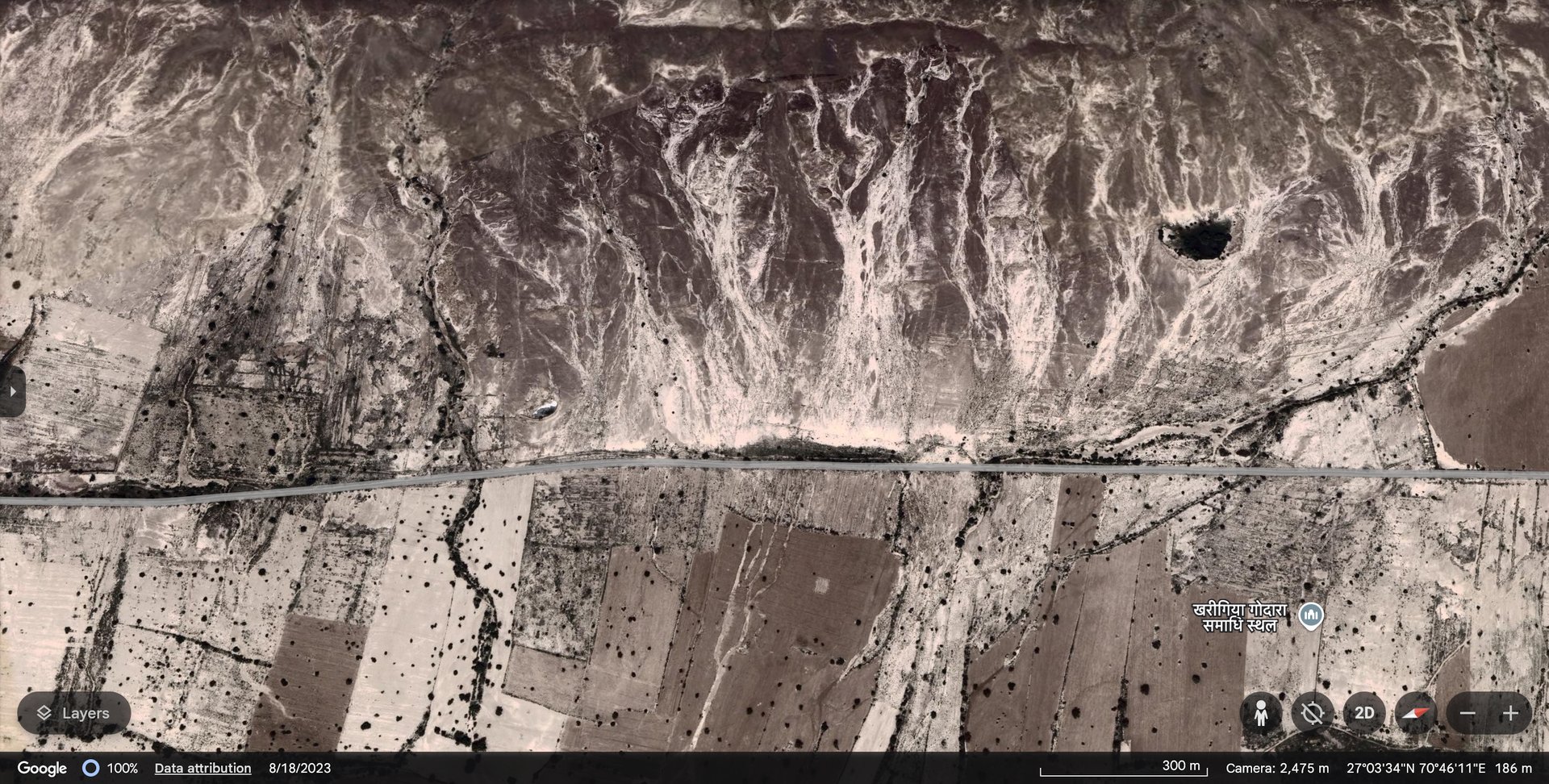
These landscapes, protected for generations in reverence to local deities, serve as living archives of cultural memory, ecological resilience, and indigenous knowledge. The film unfolds across three interconnected chapters, structured through spatial and temporal lenses that navigate the past, present, and speculative futures of the Thar. Drawing on archival material, embodied experience, and oral histories, the project excavates the layers of the desert, revealing how shifts in land governance and policy have historically mislabelled Orans as “wastelands,” rendering them vulnerable to state and corporate takeovers.
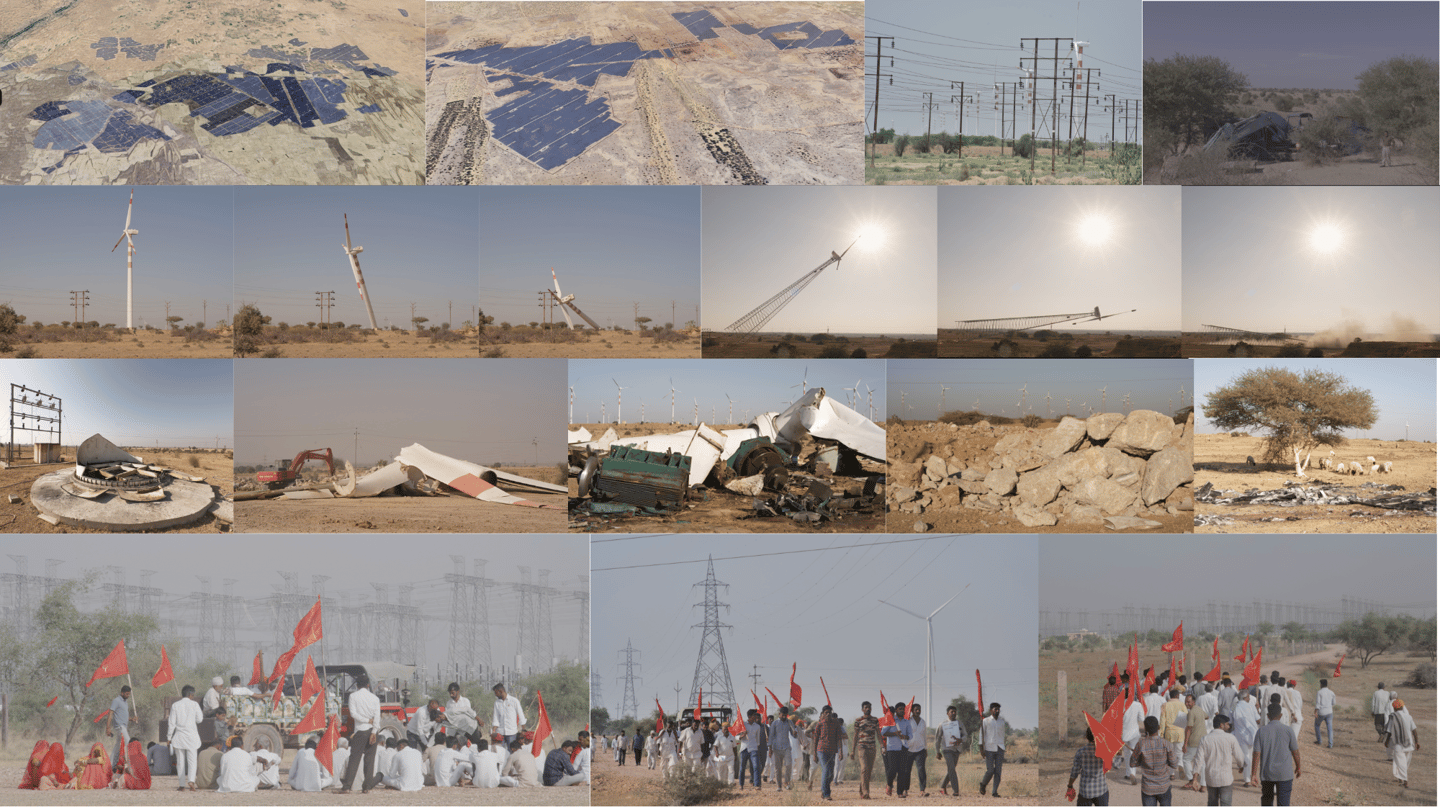
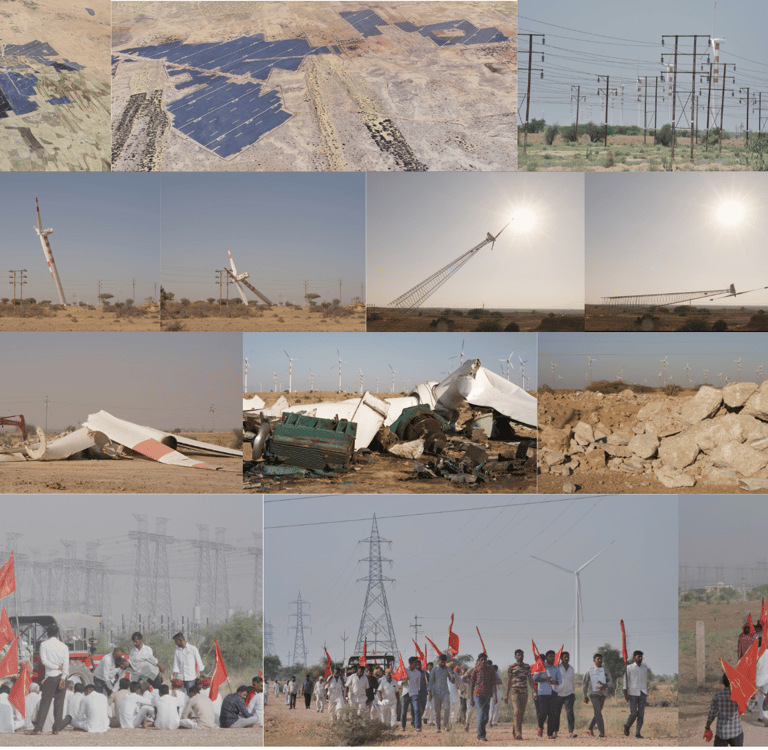
This is not a Wasteland challenges dominant narratives of green energy transition and its implementation as inherently sustainable and devoid of any destructive or exploitative properties such as other non-renewable sources of energy by foregrounding the socio-political and ecological disruptions it causes in the form of displacement, biodiversity loss, and cultural erosion. Through a counter-narrative, the film portrays local practices as acts of resistance, confronting the territorial violence of green capitalism. Visually and acoustically, the film is offering a poetic yet critical reflection on environmental justice, land tenure, and the fragile future of indigenous ecologies under climate urgency.
मेळ-जोळ | Contact
Reach out for collaborations or questions
ईमेल अठै भेजियो I Email
rohicollective@gmail.com
कानाबाती | Phone +91-9996618988
© rohī collective 2026. All rights reserved.